My Web Maintenance

Web Maintenance

WebP

Optimize Images: What Is WebP In WordPress?

Optimizing your images could play a significant role in expediting the speed of your website. WordPress now supports a more optimized version of imagesWebP. This file format can reduce the size of JPEG and PNG by 30%, resulting in faster loading of images for website users.

Optimizing images is more than just using a superior file format – optimized JPEG and PNG images can be further enhanced. Tools are available to make this an easy process.

Today, I’m discussing techniques to optimize images and boost site loading speed. There are several options available, so let’s explore them!

What Is WebP?

Google created WebP, an image format, in 2010. Compared to other formats like JPEG and PNG, it is smaller and provides better lossless or lossy compression.

WebP offers faster speeds than traditional formats, making websites more efficient. But how does this work?

WebP compression is a lossy process that uses predictive coding. It quickly scans nearby pixel blocks and guesses the rest of the code. This saves time and results in a much smaller file size.

It has been observed that WebP compression, which is a lossless variety, can reconstruct the image data it has been using.

Most major browsers support WebP, including Google Chrome, Firefox, Microsoft Edge, and Opera. However, not all browsers offer this file format, so bear this in mind.

This covers nearly all web and mobile traffic, so you can be assured that there’s not much to worry about.

Best Plugins to optimize your Images for WebP

This article will review the best plugins to optimize your images for WebP and various tools for creating streamlined visuals for your website.

1. EWWW Image Optimizer

EWWW Image Optimizer

Are your site speeds disappointing? EWWW Image Optimizer can help. It optimizes images within WordPress and works with multiple file formats, such as WebP. Give it a try!

Importantly, this also works with other plugins’ images, avoiding compatibility issues.

The plugin lets you choose the compression for each file type, with different configurations for various files. You can afterward optimize your images in bulk with a bulk action.

Optimizing individual images is fast, usually taking less than one minute. Bulk actions can take several minutes, especially for larger websites.

2. Smush

Smush

With over one million installs, Smush is a WordPress powerhouse for optimizing images – plus lazy loading for an extra performance boost!

Image optimization is the core specialty of this plugin – and it couldn’t shine brighter!

This plugin covers many popular file types. It has a vast reach and extends beyond the media library compared to other optimization plugins. However, it does not offer WebP in the free version.

Images outside the media library will be compressed and optimized simultaneously, including any needed image resize. Then you can check out all the fantastic optimization results for yourself – straight from the image block!

3. ShortPixel Image Optimizer

ShortPixel Image Optimizer

Get ready to optimize your images to perfection with 100 free tokens from ShortPixel Image Optimizer! Enjoy high-quality compressions without spending a dime.

The Pro version must be purchased in other plugins to achieve similar quality.

Now there is one big problem with this system, and that’s the way WordPress handles images. WordPress makes multiple copies of your images at different sizes, and each one of those sizes takes up a token. Thus, it’s not a one-to-one ratio.

This tool makes creating a brilliant website much more accessible – it converts JPEGs, PNGs, and GIFs into WebPs, so you don’t have to optimize a hundred images monthly manually.

4. Compress JPEG & PNG Images

Compress JPEG & PNG Images

Compress JPEG & PNG Images is an effective tool for optimizing JPEG and PNG file formats, although it is incompatible with Webp. For many website applications, this meets the needs of most users, mainly if they are not using editing software that can work with Webp files.

You don’t need to pay a fortune for editing tools – look at the options we’ve listed down there!

This plugin provides 500 compressions per month free of charge. Therefore, this may equate to around 100 images, suitable for new websites. However, it suffers from the same issue as its predecessor, optimizing all copies of images.

It should be noted that this plugin is compatible with WooCommerce. Still, caution is recommended as WooCommerce may regenerate image metadata each time the page is visited, resulting in greater use of the plugin’s monthly credits.

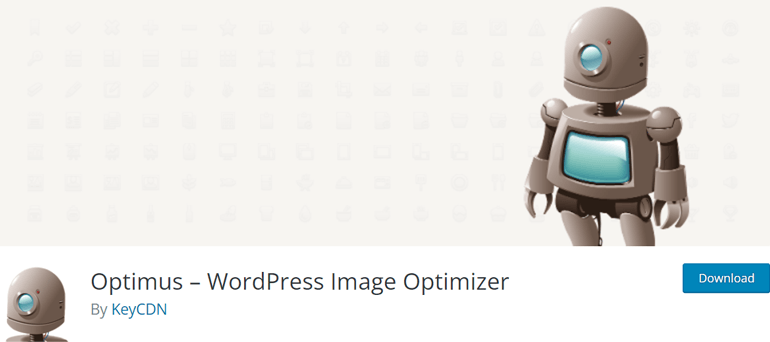
5. Optimus – WordPress Image Optimizer

Optimus – WordPress Image Optimizer

Optimus – WordPress Image optimizer is a good option for reducing the size of images used in WordPress. It can effectively decrease the size by as much as 70%, which may improve page loading speed.

When selecting a solution for your website, remember that a free option may not be suitable for all sites.

Files may be over the 100KB limit, and settings that require optimization may need the Pro version of the program, thus requiring an additional payment.

This plugin will revolutionize your website editing experience! Image reduction is outstanding, and you can use it with ALL the major image file types – including WebP. Bulk action is a total breeze, plus you won’t have to wait long (minus more significant websites) for the magic to occur.

6. Imagify – Optimize Images & Convert WebP | Compress Images Easily

Imagify – Optimize Images & Convert WebP - Compress Images Easily

Imagify is an attractive option for websites seeking a free plan for image optimization. It has a generous monthly limit allowing for utilization regardless of the number of images or their size.

Every month, you can optimize up to 20MB of images for free, which may be significant for developers with experience managing images.

Compress JPEG &Compress PNG supports all standard file types, such as PDFs, and can create WebP files with the user’s selection. It allows users to choose Normal, Aggressive, or Ultra optimization settings.

Different optimization levels can be applied to images, and if the user is not satisfied with the result, they can opt for the backup option to restore the original. This enables users to identify which level works best with their images.

WebP Editing Tools

Editing tools do not yet have built-in compatibility with the WebP file format; however, due to the recent use of this format in WordPress, future updates may include native functionality.

In the meantime, you are going to need a tool to create and edit WebP images, and luckily, there are plenty of free options available like:

However, the one I recommend is PhotoPea.

Photopea

Photopea

Photopea is an excellent alternative to Photoshop, offering a familiar interface and look but with distinct differences.

Photopea is capable of working with Webp image files, and it is free to use.

Photopea runs directly in your web browser without the requirement of an account. Files are saved on the local computer, but cloud storage can resolve this issue for seamless movement between devices.

Without dedicated app support, performance may be impacted when loading detailed images with multiple layers, which could take several minutes.

Photopea is a free tool for converting PSD and other image formats to WebP.

Lazy Loading Boosts Website Speed

WebP helps compress image sizes, but it is not the only technique you can use to optimize visual load times. Lazy loading is another approach to consider.

Lazy loading is a technique that only loads images visible to the user; for example, in cases where the page has numerous images, it may not be practical for users to wait for all of them to load.

Lazy loading is a technique used to load only the content visible on a page initially; some may disagree with this practice.

Users may choose to scroll down, which can result in images beginning to load gradually as they do so. This helps to optimize page loading significantly in cases where many images must be loaded.

Speed. Optimization. Experience.

A faster website provides a better user experience and is expected by visitors in 2023.

Image optimization is a common problem for websites. Poorly optimized images can result from inexperience when setting the correct image size.

Generally speaking, the size of images should be kept below a couple of hundred kilobytes.

Image optimization is simpler than ever with the various WordPress plugins available. Besides increasing visitor satisfaction, this will also help to enhance your search engine ranking.

So, according to Google, speed is the essential metric when it boils down to search results.

Is your WordPress website ready to be revolutionized with WebP? Have you optimized your images for the web?

Get Started Today With My Web Maintenance

We’d be happy to discuss our services if you’re looking for a website optimizer to help you speed up your website. Contact us now for website optimization services.

You Might Also Enjoy

Optimize Images: What Is WebP In WordPress? Read More »

How to Choose the Best Web Hosting for Small Business

How to Choose the Best Web Hosting for Small Businesses

If you’re running a small business or planning on starting one, you may already realize that having a good web host is essential. Choosing the right web host can be tricky, though.

Online shopping continues to overgrow. Retail stores are now almost even with online sales, which increased by 10.4%.

As a business, you can make lots of cash by offering products and services online, but there’s so much more to running a successful website than just sales. Getting your site ranked high on search engines such as Google can also help your traffic.

It’s essential because many consumers will use their smartphones to research local businesses. You can also advertise on social networks such as Facebook.

Today, I’ll explain choosing the best web hosting for small businesses.

Web Hosting Terms

Web Hosting Terms

Hosting providers often use a lot of jargon, making it hard for people unfamiliar with hosting to understand. It cannot be evident even for experienced hosts.

Therefore, you must know some basic terms and how these will affect you.

➢ Uptime

Uptime is how often your site will be available for visitors. It’s usually measured in percentages, so if a web hosting provider claims 99.9% uptime, they mean that their service will be available almost 100 percent of the year.

If you want good results from your online marketing efforts, you must be able to rely on your site being up at all times. It would be best always to choose a reliable hosting provider with an excellent uptime guarantee.

➢ Bandwidth

Bandwidth refers to the amount of data and web traffic transferred between your website, users, and the Internet. The more data and web traffic your website consumes, the more bandwidth you require.

The importance of bandwidth varies depending on your website’s size. A smaller website may not require a large amount of bandwidth. But if you’re running a more significant website, you’ll likely need more bandwidth.

➢ Disk Space

Your website’s disk space refers to the amount of storage available for files on your website’s server. The larger your disk space, the more storage you have.

Disk space is essential for websites because it determines how much content you can store on your server. If you have a small site, you won’t need much disk space; however, if you have a tremendous website or upload many images/videos, you may need a lot of storage space.

➢ Domain Name

A domain name combines characters (usually alphabetic characters) and extensions. For instance, our domain name is MyWebMaintenance, and our extension is .com. Visitors need to enter this URL into their web browsers when they want to visit our website.

There are billions of websites; however, most good ones are already owned by someone else. Most web hosting companies will give you a free domain name or one for a low cost. Nonetheless, you cannot create a website without a domain name.

➢ Backups

Backups are copies of your website that can be restored in an emergency. For instance, If your website were hacked, you could use an online backup service to restore your website without waiting for repair services.

Backups are an essential part of any website. They can help you recover from mistakes and disasters. You should make regular backups of your website to restore them quickly if something goes wrong. A good host will offer automated backups for you automatically. But you should also back up your files manually too.

➢ Content Management System (CMS)

CMS software allows you to create, modify, and manage digital content. It’s the tool you’ll use to create your website.

There are several different content management systems (CMS) available for websites. Some of them are better than others. One of the best-known is WordPress.

Most web hosts will tell you which content management system (CMS) they support and may even provide custom servers designed explicitly for that CMS. However, if you pay more, you will see a performance improvement.

➢ Security

Website security refers to how secure your website is from attacks by hackers. It may be one of the most straightforward terms to understand in theory. However, “security” has multiple meanings for different hosting providers.

Some excellent ways to defend against attacks include firewalls, malware detectors, removal tools, DDOS protections, SSL protocols, general software protections on their equipment, and so forth.

However, just because these services exist doesn’t mean every hosting provider offers them for free. Or, at the least, charges extra for using them.

You need to carefully examine their web hosting services’ security features to ensure they’re protecting your website from damage.

Pick the Right Plan

Pick the Right Plan

You now know the basics of hosting, so you’re ready to start choosing a web host. However, there are lots of different options available.

Understanding how many resources your website needs is essential before you start building it. Many websites come with pre-built templates, but they may not be enough for your site. You might want to pay extra for additional resources.

There are usually three options for small businesses who want to host their websites online:

Shared Hosting

Shared Hosting is when a company rents out a specific amount of storage on a web host. It is ideal for small websites that won’t need a ton of bandwidth or storage space.

Related: Shared Vs. Managed WordPress Hosting: The Key Differences

VPS Hosting

A VPS (Virtual Private Server) allows you to lease your virtual server. It’s far more costly than Shared Hosting but suitable for big websites that get many visitors and consume lots of resources.

WordPress Hosting

These web servers are customized to run a particular CMS (in this instance, WordPress). Many types of WordPress Hostings are available, including shared and VPS.

Related: What Is Website Hosting And Management? Multiple Web Plans

➢ Dedicated Server Hosting

Dedicate means “to dedicate something to someone else.” Dedicated Hosting is when you lease an entire server dedicated to yourself and no one else. Unlike a VPS (which still technically shares its resource with others), a dedicated server is entirely owned by you.

Examine the Pricing Plans Carefully

Choosing a hosting web service that meets your needs is essential, but the cost is just as high.

Web hosting costs are comparable to renting business spaces. They’re usually quite affordable, even if you don’t require a lot of resources.

However, the cost isn’t always clear-cut. Some hosts may be less expensive but may not provide the same support, security, uptime, or overall performance as their competitors.

As long as the site reflects your business, you must ensure it works well. Therefore, don’t just choose the cheapest option.

You can check My Web Maintenance Hosting Pricing Plans

Consider the Environmental Impact

Consider the Environmental Impact

If you’re starting a new business in 2022, you might want to consider its environmental impacts. Web hosts have an emissions problem.

Web servers consume much energy to run 24/7, up to 99.9%. This includes the electricity needed to operate the servers, the server room’s cost, the cooling systems used, and more.

However, there are many alternatives to consider when choosing a web host. At MyWebMaintenence, we calculate the power we use carefully.

Once the calculation has been completed, we buy three times that amount of wind power and send it to the electricity network. This means the more wind power we use, the cleaner our electricity becomes.

Your Website Reflects Your Business

Your Website Reflects Your Business

If you already run a small business, you know the importance of having an attractive storefront.

If you’re looking to go out for dinner, would you instead go to a restaurant that looks clean and well-maintained? Probably yes, and websites are no different. People will notice how quickly it takes to load, how nice it looks, and how easy it is for visitors to use.

If they don’t enjoy your website, chances are they won’t be visiting your physical location either. So, choosing a good web host is essential because it will affect your website’s overall success.

Get Started Today With My Web Maintenance

We’d be happy to discuss our services if you’re looking for web hosting providers to help you provide web hosting & expert management for thousands of WordPress websites. Contact us now for web hosting services and to see how you can get started.

You Might Also Enjoy

How to Choose the Best Web Hosting for Small Businesses Read More »

Migrating your WordPress website: what you need to know

Are you planning to move your WordPress website to a brand new hosting provider? Many companies are faced with the choice to migrate their website to another hoster because they have problems with their current provider, who they may be fed up with!

Of course, no one wants to worry about switching WordPress web hosts. We all want 100% uptime, great load times, and an affordable solution, all in one package.

But unfortunately, the world of WordPress hosting doesn’t work like that, and the perfect scenario is almost impossible. Suppose you are unsatisfied with your present web hosting provider. In that case, you may have already experienced some of the following five reasons why businesses migrate their WordPress website to a new host.

1. Too Much Downtime

Website Maintenance Vector Art, Icons, and Graphics for Free Download

All providers on the market guarantee 99.99% uptime. But how many of these companies can back up those words with actual uptime and peak WordPress performance?

Your website is a vital component to the success of your business, and that’s why you need a hosting service that offers stable uptime that will protect you from any loss of revenue or customers. There are several reasons why downtime can harm your bottom line:

Missed opportunities: If you’re in eCommerce, you can lose many sales opportunities, and if you’re in B2B SaaS, you lose product registrations and leads.

Damaged reputation: Downtime can easily damage your company’s reputation. First impressions count, and so do second ones. So if users want to access your website but experience downtime, that’s a big problem that could keep them away.

Wounded SEO: Depending on the duration and intervals of downtime, your SERP ranks could be affected. Repeated website downtime will give Google enough reason to push your website down in the rankings.

Consequently, anything shorter than 100% uptime means a drop in traffic and revenue. There is no room for downtime or website errors for a quality hosting provider and a reliable web experience.

2. Terrible Customer Service

Is there anything more disappointing than not being able to reach a customer service representative when you need to resolve an issue? Your business could depend on whether you can resolve the glitch, error, or problem quickly. There could be numerous difficulties if your web hosting experience is miserable. When problems occur, you require to be able to get in touch with a customer service representative right away.

Before choosing a hosting provider, you should at least check if the customer service team is up to the task! It would be best if you ensure that will solve all your problems before you decide on a provider.

To evaluate the quality of your hosting provider’s customer service, you require to analyze the following aspects:

Feedback time: How much time does the current holding company require to respond to your request? If you encounter a roadblock with your WordPress website, time is precious, and there is no excuse for not responding to your call. A fast response time is something you shouldn’t even negotiate.

Resolution time: If the hosting team are expert, the resolution time shouldn’t be more than a few minutes. Every second is crucial, and if your website doesn’t load properly, customers might churn. So, if you are stuck with a hosting company that takes too long to respond to your requests, you should cut your losses by switching to a new company.

Expertise: If you receive a quick response to your inquiry, but it’s unclear and doesn’t provide a practical option, then that response is no help! Make sure that you work with an employee trained to answer and solve any of your hosting queries.

A good hosting provider will offer you every kind of support, from a ticket system to live chat and email to phone and video calls – 24/7/365! Having multiple assistance choices at any given time can resolve critical issues quickly and with additional preventive measures.

3. Slow Loading Time

1,638 Slow Loading Photos Stock Photos, Pictures & Royalty-Free Images -  iStock

Internet sites tons time is crucial to the success of your company. A delay of just one second can cost a company. Whether you’re producing content or selling a product on your site, fast data transfer can distinguish between acquiring brand-new clients and shedding them to your competitors.

Your hosting solution can make a significant distinction when it comes to the performance of your WordPress internet site. A modern SSD drive can read data much faster than a traditional hard drive, it may be much more costly, but the efficiency is well worth it. For this reason, you should choose a robust hosting provider with the latest infrastructure and solid-state drives.

Durable WordPress organizing carriers additionally use VPS environments or cloud networks to dedicate more resources to each client, resulting in faster loading of pages and databases. If the hosting infrastructure is designed for speed, the provider should make extra efforts to optimize the speed of your website additionally.

Caching helps your website deliver content faster while reducing the load on the web servers. A powerful hoster will offer you a caching system with plugins and add-ons for your static files and databases.

4. Poor Security

2,044 Health Data Protection Stock Photos, Pictures & Royalty-Free Images -  iStock

Today’s technology has changed every industry, and one of the most significant issues is cybersecurity. Suppose you have a WordPress website that is not adequately secured. In that case, you are in for an absolute nightmare with stolen datawebsite glitches, and other malicious intentions that could harm your business.

Your WordPress web hosting plays a significant role in your WordPress website’s safetysecurity, and upkeep. The wrong host selection will result in inadequate protection of your build and all other websites hosted on the same server.

Despite WordPress’ robust core, you may need additional layers of protection for your website.

One of the essential steps for better WordPress security is automatically updating the corethemes, and plugins, which is, fortunately, an option in almost every hosting plan.

Suppose you’re working with a professional WordPress development agency. In that case, your development team will most likely provide an additional layer of monitoring to ensure that automatic updates don’t override any site features.

Other useful features for online security are automatic backups and SSL certificatesSSL certificates are crucial because they can encrypt communications between servers and browsers. Furthermore, SSL certifications gradually contribute to your search engine position, improving your position in SERPs.

Besides automatic updates and SSL certificates, an excellent hosting plan includes regular scans and solutions for malware and viruses, web firewalls, and protection against DDoS attacks.

5. Missing Features

Missing Vector Art, Icons, and Graphics for Free Download

The host is a service that you have to pay for. So, to make an informed decision, you need to understand the features that each hosting package offers you and the impact that these features will have on your WordPress website.

It’s great to have all the essential features for your hosting package, but wouldn’t you like to get more for your money? There are features that you may have to do without, such as:

Great server location: Server place is just one of the most critical elements that affect the speed of your WordPress website. Usually, a website will load faster if accessed from a geographically close location to the server location.

A plethora of useful plugins: Do not look for a more significant number of plugins – seek plugins that you can benefit from! Ensure that your organizing service offers you plugins that increase your website’s security, improve your search engine optimization and simplify the monitoring and maintenance process.

Performance-oriented architecture: You deserve nothing less than breakneck speed and performance for your WordPress website! It would be best to have a web host that guarantees optimal use of modern technologies for maximum speed and efficiencies, such as NginxMariaDBPHP7LXD containers, and a minimalist hosting stack customized for WordPress.

Sandbox setting: With the sandbox or hosting a setting, screening and optimizing an improved variation of your WordPress website is a much more effective process, ensuring no downtime or other inconveniences on your live site. The sandbox must provide access to an SSH connection, at least SFTP, the database, and other files. If you run into problems, you have the time to fix them or find alternative solutions.

Server Space: Your current hosting plan may have worked well initially, but as your traffic increases, you will need to switch to a hosting plan with enough server space to support this growth. So, when comparing different hosting plans, you should choose one that offers the most storage space at the most affordable price.

Payment plans: With web hosting, you usually get what you pay for, but sometimes a comprehensive plan isn’t even necessary. How can you tell if you’re paying excessively? If your plan has many features, some of which you never use, or your website is still small, but you’re hosting it on a server with more storage than you need, you should reconsider your options.

The bottom line is that you must never settle for the cheapest solution for WordPress hosting. Check thoroughly what features are offered and if the company provides you actual advantages over other hosting providers.

Choosing A Managed Hosting Provider 5 Best Managed WordPress Hosting in 2022 Compared (Pros & Cons)

Once you have selected the attributes you need, you should choose a new hosting partner for your WordPress website that can handle heavy traffic, withstand security attacks, and provide an excellent foundation for your content.

A managed hosting service monitors and maintained every technical aspect of your WordPress websiteThe number of websites that have switched to managed hosting has increased over the past 8-9 years, and along with WordPress websites, this is the predominant way to manage businesses online.

The Top Four Advantages Of Using A Managed Hosting Provider Are

Better website security: Managed-to-host services offer unparalleled security compared to other types of WordPress web hosting. A managed provider offers the highest level of security, daily backups, malware scans, and updates that prevent hacker attacks on your website.

Uptime monitoring: Speed and performance directly impact search result rankings. Most managed-to-host providers offer 24/7 website monitoring, so you don’t have to worry about your website’s performance at any point in time.

24/7 support: Managed hosting providers have trained experts who know the technical details of the platform and how to solve common and complex problems.

Customizable solutions: Most managed hosts can support almost any niche, from educational blogs to e-commerce websites and everything in between. Will certainly customize the option to fit your company’s needs, not the other way around.

If you pay a bit more for a high-quality hosting provider, you will get additional security layers, 24/7 support, and regular malware scans. A top-notch hosting plan also includes top-notch caching plugins and CDN access, measures that can significantly impact the speed of your website.

At My Web Maintenance, We’re passionate about WordPress website design, hosting, and maintenance. We offer website design, web hosting, and maintenance solutions for your business to help grow your online presence.

Migrating your WordPress website: what you need to know Read More »

Examining the Importance of Monitoring Website Traffic

There are over 1.3 billion websites worldwide, and everyone is looking for visitors.

So the competition is fierce, and that’s one of the reasons marketers and businesses invest in SEO, PPC, and social media campaigns to drive website traffic. However, you won’t see any progress or marketing ROI if you don’t track your traffic volume.

Free tools, such as Google Analytics (GA), provide a wealth of information about your website visitors and their actions. This post is about why tracking your traffic is so important.

1. UNDERSTAND YOUR DATA

You can only know your traffic data and analytics through website monitoring. You can obtain a report on your traffic sources, keyword volume, number of pages viewed, and countries with the highest traffic. This data is crucial for decision-making regarding SEO campaigns and customer experience.

Most importantly, you can determine your conversion rate and understand your customers’ journey to optimize essential things. This way, it’s much easier to identify your visitors’ problems that prevent them from taking the actions you want them to take.

Solid marketing today is based on actionable data and consumer preferences. Google Analytics gives you the data you need to analyze your website’s performance and usage, increase traffic, and improve the visitor experience.

2. GET TO KNOW YOUR CUSTOMERS

Your website traffic helps you understand what visitors are doing on your website, what they are looking for, and what drove them to convert.

You can improve your services and products when you regularly know what visitors are searching for. You can create purchaser profiles for your potential customers with your customer data. You can define your perfect persona by age, location, salary, and interests.

With GA, you can determine where most of your visitors come from. Location demographics will provide you with a list of countries with more visitors. This way, you know who and where to target to ensure consistent website traffic.

3. DETECT AND FIX ERRORS

Tracking your traffic also helps you identify potential website errors, such as replicate URLs, duplicate tags, web spam, and broken URLs. These are a few issues that affect your traffic and website performance on various browsers and devices.

If you observe a sudden drop in traffic, there is a possible reason. Besides search engine updates, it may be website hosting issues, 404 errors, or slow website speed. Fixing these issues can potentially lead to an increase in web traffic.

Google Analytics also sends notifications to your dashboard when there is an issue with your account setup and website accessibility. These can be redundant hostnames where your website receives data from different hosts. You will also be notified if your conversion rates drop.

4. KNOW THE PERFORMANCE OF YOUR PAGES

With an analytics tool that monitors your site’s traffic, it’s easier to monitor the performance of your pages. You want to find out which pages are ranking well, which can be improved, and which are not ranking at all.

If you know the content that keeps visitors on your site for a long time, you’ll also know what kind of information visitors want. This way, you can create content that quickly engages visitors. Also, you can add internal links to these posts to promote other pages and posts on your site.

Information about pages that perform the worst is also essential to make changes and improvements. They provide insight into how visitors arrive and depart from these pages. You can also identify the possible reasons for the high bounce rates on the worst-performing pages.

One reason may be that the content doesn’t offer what visitors want. It can also be because your web content is technical and complex for most visitors to understand. Conducting a content analysis will assist you in identifying problems and taking the right actions.

5. CHECK YOUR SHOPPING CART ABANDONMENTS

If you run an e-commerce website, you have every reason to track your website traffic, especially if your buying cart abandonment rate is high. With the Goal Funnel in GA, you can set up a goal if you have a multi-step checkout process.

This way, you can determine the points at which your visitors abandon the checkout process. For example, if you notice many visitors abandoning the checkout page, you need to determine why. It may be the total cost of the order, payment options, shipping costs, or an unfriendly design.

When you find out the reason, you can more easily optimize your payment process by eliminating the unpleasant points for your visitors. Review the information you ask for during checkout to see if it triggers purchase anxiety. You also need to eliminate any unnecessary steps.

6. IDENTIFY WHEN YOUR WEBSITE IS BUSIEST

Your content strategy and campaigns need to consider when your website is most visited. With GA, you can break down your traffic by day of the week and time of day to get a more accurate look at traffic during peak hours.

That will help you determine when you should release new content or expand your campaigns to get the most visitors. Knowing this information is key to your marketing success, publishing content that can be shared, and improving your conversation rates.

3 Tools You Should Use to Track Your Website Traffic

You need to know where your visitors are coming from, what they’re interested in, and what their browsing habits are. That way, you can target and effectively adjust your website content, SEO, marketing, and advertising strategies as your business grows. 

1. GOOGLE ANALYTICS

Google Analytics is the king of all site monitoring tools – a free web analytics tool offered by Google that assists you in analyzing your website traffic. Evaluating your advertising strategies, optimizing SEO, digital marketing, etc., is essential.

Knowing how many individuals visit your website by age or location, where they come from, and what pages they visit is very helpful in figuring out who your primary target audience is on the internet.

Google Analytics is placed on your website with a tracking code that needs to be entered under the “Website Settings/Third Party Vendors” tab in Showit and an embedded code that needs to be placed in your custom head HTML section.

2. HEATMAP

This feature is good. Heatmap shows you exactly where visitors are clicking and how often. While Google Analytics shows you which pages are visited, Heatmap shows which parts of the page are clicked.

3. GOOGLE SEARCH CONSOLE

Google Search Console shows me what people search for when they type something into Google. It is an excellent tool for search engine optimization – it shows you what people are searching for and how they phrase their search queries. Focusing on these keywords when writing your website copy, naming your images, and writing meta titles and descriptions would be best.

Google Analytics and Google Search Console send monthly updates via email, and Heatmap constantly runs in the background of your site (you can turn the results on and off if you don’t want to see them as often). Use all three applications to track traffic to website, and also recommend them to all clients!

As long as you have a website, tracking and monitoring your traffic is essential to see how visitors engage with your content.

Enjoy the post? For more posts, please visit My Web Maintenance

Examining the Importance of Monitoring Website Traffic Read More »

How does web hosting work? And what kinds of web hosting are there?

Understanding web hosting is an essential part of building your online presence. Whether you want to start building websites professionally, are looking for someone to build your website for you, or want to know how it works, answering the question “What is website hosting?” is an essential first step.

These days, creating a website is easier and more accessible than ever before, but you need to know the basic principles involved.

To demonstrate how hosting works and illustrate what new users need to know before they start, we’ve put together this comprehensive guide to web hosting basics. First, we’ll cover how it works, followed by a look at some of the best web hosting services with pointers on what you should expect from a provider.

What is web hosting?

Definition of web hosting: It provides a secure place to store online content. The code, images, videos, and text that make up a website need to be stored somewhere. Without a stable digital storage location, none of us could permanently access content on the Internet. That makes hosting one of the essential parts of developing an online presence for everyone, from large corporations to small personal accounts.

Web hosting allows users to store content off-site, reducing the cost of local storage and the associated physical footprint. It also makes building a genuinely permanent web presence more straightforward, with built-in benefits like backups for security and support.

Some web hosting is done locally on PCs or servers, but more often, cloud-based third-party providers are used. You should find a wide range of free and paid options when looking for a hosting service.

How do I start with a website?

To develop a website, you need to coordinate several steps, and choosing a web hosting provider is just one of them.

Register a domain: You buy this from a domain name registrar like Domain.com, Bluehost, HostGator, GoDaddy, or Google Domain, to name a few. The domain is the same despite who you buy it from, but the prices vary depending on the services and additional options. You choose a unique name to make it easier for people to remember your IP address (which is just a string of numbers). It’s much easier to remember “HP.com” than “50.32.247.170”.

Nameserver (DNS): The nameserver is the middleman that points your website visitors to the correct IP address. Often the same company provides both your registrar and DNS service, but you can choose a different DNS if you like. Some standard providers are Cloudflare, OpenDNS, CleanBrowsing, and Google Public DNS.

Web hosting: The actual files that make up the website reside on a server managed by your web hosting company. Again, this can be the same company as your registrar and DNS server, or you can hire a different company for this part of the process. Below, we will introduce you to some reputable hosting companies in more detail.


How does web hosting work?

Web hosting services provide stable and secure storage. While web hosting is more than simple data storage, it is a central part of its functionality. Hosts store data on hardware called web servers, allowing online users easy maintenance and access.

Without sufficient host capacity and proper maintenance, websites can behave erratically. It results in a more time-consuming process for your website visitors, affecting your company’s sales and depriving your audience of information.

Self-hosted

There are ways to set up your web servers with PC software, but the cost can be higher than a dedicated site and provider. That’s why most users rely on a third-party provider that can guarantee certain features and services 24/7.

Companies may host their website to keep everything on-site, which involves significant investment in servers and staff. That makes sense for large companies. However, third-party web hosting is a much more budget-friendly solution for small and medium-sized businesses.

Benefits include constant accessibility for users, better protection from hackers, routine maintenance, and technical support for you when unexpected problems arise.

Types of web hosting

With the advancement of technology, different types of web hosting have been introduced best to meet the different needs of websites and customers. These include:

  • Shared web hosting
  • Dedicated hosting
  • VPS hosting
  • Cloud
  • Reseller

Let’s take a look at the most popular web hosting services.

Shared web hosting

Most web hosting companies offer shared hosting. Shared hosting means a website is hosted on the same server as many other websites. It’s cheap and easy to set up, making it a good solution for new websites that don’t expect a lot of traffic in the short term. It is best suited for personal and small and medium business websites.

Anyone serious about digital advertising or running an online business should carefully consider their shared hosting options and ensure your provider can offer services like Namecheap’s business SSD hosting, specifically designed for e-commerce websites. Shared hosting is also unsuitable for large websites with a lot of traffic. These websites require a dedicated server that hosts appropriate resources to ensure adequate website performance.

VPS Hosting

With virtual private servers (VPS), also known as virtual dedicated servers (VDS), a virtual server appears as a dedicated server to each customer, even though it serves multiple websites. The primary difference between shared hosting and VPS is that customers have full access to the configuration of the VPS, which is much closer to dedicated hosting. For this reason, VPS hosting is considered the stepping stone between shared hosting and acquiring a dedicated machine.

VPS is often utilized by smaller websites and organizations that want the flexibility of a dedicated server without the high costs.

Dedicated hosting

Dedicated hosting (sometimes managed hosting or dedicated server) provides entire servers for rent. This type of hosting is comparatively expensive compared to shared hosting plans; for this reason, it is only used when a website has a lot of traffic or when more server control is required.

Dedicated hosting offers more than providing a single website with complete server equipment in a data center. It offers more options for server self-management. That is a more flexible arrangement, allowing complete control over the server, its software, and security systems. However, at the same time, you must have the technical know-how to manage the platform yourself.

Cloud Hosting

Cloud hosting is the newest hosting type on the market, which has become very popular in recent years. This hosting runs over many interconnected web servers that provide an affordable, scalable, and reliable web infrastructure. Cloud hosting plans usually offer an unmeasured, reliable bandwidth and infinite storage space for unlimited domains, which explains why many large companies rely on the cloud. It’s an effective way to run a website with resource-intensive applications or a large amount of content like images, but it can be much more expensive.

Reseller hosting

Reseller hosting is a type of web hosting in which the account holder can use the disk space and bandwidth allocated to him to host a website on behalf of a third party. In this case, the original hosting account holder is the “reseller.” Reseller hosting is beneficial when the purchased disk space is not needed, and some of the allocated resources can be shared with another party. Sharing disk space, bandwidth, CPU, etc., provides a recurring revenue stream.

Hosting providers offer reseller hosting strategies to accommodate entrepreneurs interested in this business technique. You can design hosting packages for your websites or clients that provide the resources allocated to the reseller hosting account. Purchasing a reseller hosting plan is also helpful for anyone who owns multiple domains.

How to choose the best hosting provider

Since there are so many hosting options to consider, it’s easy to get overwhelmed when comparing them all. If you begin to glaze over when you’re reading feature lists and reviewing pricing plans, take it down a notch and spend some time looking at user reviews. It’s often constructive to read others’ experiences before signing up.

However, once you have a solid idea of the basics of web hosting, you should consider which format is most attractive to you: shared, dedicated, or another. It’s also worth making a short checklist of the most important features so that you can go through the text-heavy descriptions of the offers more quickly.

At mywebmaintenance.com we provide instant WordPress technical support. We also provide bespoke web hosting & expert management for thousands of WordPress websites. Use us for quick one-time fixes, or partner with us for ongoing WordPress website maintenance.

Enjoy the post? For more posts, please visit My Web Maintenance

How does web hosting work? And what kinds of web hosting are there? Read More »

Why Is Security Monitoring Important?

Knowing what’s taking place under the hood of your network and computer systems is incredibly important for your company’s security. It gives you critical insight into the threats you face and provides the information you need to quickly and efficiently resolve security issues as they arise.

A data breach can cause irreparable damage to your operations, finances, and reputation. Security monitoring can help you stay one step ahead of attackers.

What is security monitoring?

Security monitoring collects and analyzes information to detect unusual behavior or unauthorized activity on your network. That allows you to detect incidents early and respond to them more effectively.

With the visibility and understanding gained from collecting information from your network, security controls, servers/endpoints, and user applications, you can create a set of triggers that alert the business when something is wrong.

Not only can you set alerts for malicious behavior from outside your network, but you can also detect unusual activity by your employees, making it more difficult for attackers.

With cyber threats on the rise and tech-savvy, sophisticated criminal gangs on the rise, you must be able to spot incidents before they cause severe damage and take effective action quickly.

It is essential because cyber threats are on the rise. There are many kinds of security incidents – ransomware, social engineering (e.g., phishing), and hacking – but the question of who is behind the threats has taken cybersecurity to a new level. While there are still local threats and petty crimes, the threat from organized crime, state actors, and terrorist groups is growing. These attackers target financial and critical national information and are determined to cause widespread disruption if necessary.

The problem is that organizations typically don’t have the awareness or resources to realize they are under attack until they receive the ransom demand or their data is published on the dark web. By frequently monitoring your systems, you have a better chance of limiting the damage in the early stages of an attack.

How does security monitoring work?


Security monitoring aims to enable your organization to detect attacks, malicious activity, incoming data security threats, or even lurking problems within your systems. Having all relevant data collected and part of the alert is critical to understanding the incident so the situation can be quickly diagnosed and remediated. That is achieved by looking for patterns in the data, either from a single source, such as a user system, or by correlating it across multiple systems and sources to create a picture of an incident that the security team can investigate.

Attackers can linger on your network for weeks and months, waiting for an opportunity to strike. It takes approximately 280 days to detect and contain a vulnerability, so you must manage your defenses and respond quickly. Piers Wilson, head of product at Huntsman protection, states, “Speed is important. The time it requires to detect and respond to an attack makes a big difference in terms of the damage it does, the amount of data stolen, and the impact on the business’s reputation. Time is of the essence!”

However, all of this puts a massive workload on the team that has to deal with all of these alerts. Without centralized oversight and agreement with the business on what constitutes a significant risk, this job can be overwhelming, specifically if you have a small IT group.

Threats evolve daily, and many escape detection. New technologies leveraging AI can detect behavior patterns rather than just relying on information about previous intrusions to detect incidents. The tools learn over time and can process large amounts of data. The ability to detect the unusual in your systems increases the chances of protecting your business.

What is the distinction between security monitoring and SIEM?

The fact that your company has not suffered a security breach does not mean it has no vulnerabilities. A SIEM tool can be part of your security monitoring. SIEM is short for security details and event management. It combines two types of technologies: security information management, which is the analysis of data from your log files about threats and events, and security event management, which is real-time security monitoring that alerts you to important issues.

SIEM collects data from all types of devices, servers, domain controllers, etc., in your IT infrastructure and sorts them into categories such as successful and failed logins or malware activity. It correlates and analyzes this threat information across the IT environment to build a picture of past and current threats for effective detection and response. When it determines a threat, it generates an alert and defines the threat level of that alert so an organization’s security team can respond appropriately.

SIEM is just as good as the data it receives. However, SIEM often lacks context and the ability to distinguish between enterprise-approved and suspicious data activity. That’s why gathering data from both the enterprise and the cloud is essential to get the complete picture.

What’s the distinction between security monitoring and network monitoring?

Do you wish to monitor the health of your network or the security of your networks, such as data and integrity monitoring?

Network monitoring looks at the elements of the network infrastructure, while security monitoring includes file and integrity monitoring.

Network monitoring tells you how well your platform is, running-whether there are bottlenecks, errors, or devices offline. Some of these issues could be due to malware. In this case, security monitoring provides additional alerts and protection.

The benefits of network monitoring


1. Visibility of the network

You require to be able to monitor every element of your network. That includes all the devices connected to your network and the traffic that flows through it. It is the best way to keep an eye on the health of your network and identify performance issues.

Keeping track of all the tools on your network can be challenging. Automated network mapping tools can provide a complete view of even the most complex ecosystems as part of your network monitoring.

2. Maintaining compliance

Organizations that need to maintain regulatory compliance need the appropriate network monitoring tools. PCI DSS, HIPAA, FISMA, SOX, and others need network monitoring as part of the internal control structure for compliance, in addition to the external security controls already in place.

3. Preventing downtime

Downtime is a productivity killer and very expensive. In a recent survey, 40% of companies said an hour of downtime costs between $1 million and $5 million.

Monitoring can help you prevent unexpected downtime. An essential aspect of network monitoring solutions is detecting warning signs that could indicate a device failure or network problem. This way, you can identify the problem and prevent downtime.

Network monitoring helps prevent downtime and enables IT teams, to optimize performance to run operations more efficiently.

4. Find and fix problems quickly

When a problem occurs, network monitoring helps you isolate the problem faster. Whether it’s a traffic fluctuation, a configuration mistake, or something more serious, network maps can help you quickly find the source of the problem. Network automation tools that are part of your monitoring solution can fix many problems automatically.

Lowering the mean time to repair (MTTR) reduces downtime or poor network performance, and your IT team can concentrate on other issues.

5. Detect security threats

Network monitoring is primarily for performance monitoring, but it can also help uncover security threats in your system. Malware or viruses may not be visible at first glance, but your network monitoring solution can highlight unusual activity, such as suspicious use of network resources. You can detect small threats by continuously monitoring for unusual or suspicious activity before they become significant.

You can also proactively detect unauthorized access or security threats such as DDoS attacks or unauthorized downloads.

6. Bandwidth usage monitoring

If your bandwidth is overloaded, you’ll have unhappy employees and customers. By monitoring bandwidth usage, you can identify when slowdowns are occurring. When bandwidth usage reaches a critical level, you’ll be alerted so you can adjust your quality of service (QoS) protocols or take other steps to improve performance.

7. Capacity planning

User needs are also constantly evolving. As a result, it can be challenging to predict how and where users will use network resources in the future. As utilization increases, planning for additional infrastructure and capacity to meet this demand is essential.

By actively tracking and monitoring performance and utilization, you can use network-monitoring software to identify when utilization is skyrocketing. You can better anticipate future capacity and upgrade the network by comparing current performance.

Historical data can also help justify future investments when it comes to budget. Suppose you can provide evidence that the network is slowing down or performance is degrading due to increased utilization. In that case, convincing executives that you need to upgrade systems is much easier.

8. Deploy new technologies

Network monitoring is also essential when new technologies are to be deployed. It helps determine whether the network can handle additional resources and proactively identifies potential performance issues. After implementation, you can monitor the network to ensure performance doesn’t suffer.

9. Reducing the burden on IT teams

There’s also an underappreciated benefit of network monitoring tools. IT groups have a lot on their plate these days. Network growth and complexity have placed a significant burden on teams, which are typically understaffed and still expected to ensure perfect performance. The right network monitoring tools, like WhatsUp Gold, can significantly reduce this burden.

IT groups regain control of their network without manually addressing performance, receive proactive alerts when something is wrong, and reduce downtime. When an issue is detected, network monitoring solutions make it easier to identify, isolate and fix the issue.

That frees up time for team members to focus on other projects that can drive revenue growth. That can be invaluable.

10. Return on investment

Network monitoring also offers a measurable ROI. If you save one hr of downtime annually, monitoring has more than paid for itself. Add in the reduction in support calls, time spent troubleshooting issues, and maintaining the network performance needed to be efficient, and you can see how quickly the ROI adds up.

Why is continuous monitoring so important?

By monitoring the behavior of your systems 24 hours a day, seven days a week, 365 days a year, you shorten the time between detecting a threat and taking action. Consistent snapshots of real-time activity give you one of the best ways to detect a malicious user.

Around-the-clock monitoring also helps you identify the vulnerabilities and strengths of your IT infrastructure, providing valuable business insights that help you develop a sustainable and effective risk management strategy.

How does security monitoring help with compliance?

The National Cyber Security Centre alerts that a failure to monitor systems can result in attacks going unnoticed, which in turn can result in your failure to comply with legal or regulatory requirements. It recommends that organizations comprehensively understand how users access systems, services, and information.

Security monitoring helps measure or verify compliance. If you don’t have a record of activity related to the security controls, you won’t be able to demonstrate compliance – a common compliance failure.

Protecting your data and systems

Security monitoring helps detect sophisticated threats that can bypass traditional security tools. It can find a broader range of threats and reduces the time it takes to defend against attacks.

Compliance is critical, but it is the “floor,” not the “ceiling.” The objective of protecting data and systems – keeping private data private – is the very purpose of security monitoring. It provides information on which the company can act.

Setting up a security operations center is expensive. It can be time-consuming for your security team to sift through all the automatically generated alerts, risking missing a critical security event. The alternative is to utilize a managed service from a trusted third-party provider.

The Security Standards Organization (CREST) notes that “organizations of all types struggle to identify and effectively address potential cybersecurity incident indicators.” The organization recommends that organizations engage the services of one or more specialized third-party vendors for all or part of their security activities.

Whatever you decide, when the worst happens, around-the-clock security monitoring gives you the information you need to make quick decisions and analyze events

At mywebmaintenance.com we provide instant WordPress technical support. We also provide bespoke web hosting & expert management for thousands of WordPress websites. Use us for quick one-time fixes, or partner with us for ongoing WordPress website maintenance.

Enjoy the post? For more posts, please visit My Web Maintenance

Why Is Security Monitoring Important? Read More »

Quick tips to fix the error establishing a database connection on your WordPress site

WordPress database errors can be frustrating, but here's why they happen and how to fix them

Initially, allows examining what this mistake message implies.

The data source makes use of the MySQL language. Your website makes use of a server-side language called PHP. When a web browser enters your site URLWordPress uses PHP to retrieve all info about the page from the database and send it to the visitor’s internet browser.

The database link error usually occurs since the connection between MySQL and PHP has been made for some reason and needs to be investigated.

This Error can happen in any of the complying with cases

  • Your login information (username as well as password) might have changed. Changes may have occurred somehow, even if you did not modify them.
  • You have mounted an expansion with inadequate security, or your data source might have been corrupted.
  • Access to your site might have come to be so extensive that it exceeds your server’s capacity.
  • Your WordPress holding website may be down and not functioning due to database problems.
  • Before attempting to repair a WordPress database connection mistake, we advise making a backup! The complying with options are available for backing up your database.
  • Make use of the Export function to export the MySQL database.

How to fix the WordPress database connection error

How to Fix the Error Establishing a Database Connection in WordPress

Do you ever see the message ‘Mistake developing data source connection’ on your WordPress site? This Mistake is a severe error that makes your WordPress internet site inaccessible to users.

This Mistake takes place when WordPress can not attach to the data source. ‘There are several causes of WordPress database connection, and also troubleshooting them can be complicated for novices.

This short article will undoubtedly reveal how to rapidly repair WordPress database connection errors.

1. Check Database Conditions Data Base Stock Photos, Images and Backgrounds for Free Download

Initially, inspect that the data source credentials are correct. That is most likely the reason for the error message when establishing a data source link. This is specifically essential if you are changing to a brand-new holding carrier: the login information for a WordPress website is generally saved in the Wp-config. PHP file in the origin directory of the WordPress internet site.

2. Make Sure The Database Is Not Damaged

The WordPress data source is rather intricate, with little screws that can malfunction if they do not work together perfectly. Sometimes something goes wrong, and the data source link stops working.

Initially, most likely to the WordPress control board – YOURSITE.com/ Wp-admin.

How to Fix the Error Establishing a Database Connection in WordPress

If you see the very same mistake message, “Mistake creating a data source link,” skip this action.

Next, if you see something different, notice what WordPress is using – the current versions of WordPress have improved repairing attributes so that you might discover some good ideas here.

Likewise, you may see a message beginning with “Several database tables are unavailable. You may also see a message starting with “One or more database tables are inaccessible. This implies that the data source requires to be ‘fixed.’

It is straightforward to do. First, connect to your website once more using FTP, most likely to the WordPress root directory site, and download a Wp-config file. PHP to your desktop computer.

  • Modify this data in Notepad and add a line at the end (right before “That’s it, don’t include even more”).
  • Now re-upload the file to your website (using FTP) and replace the old version.
  • Most likely to YOURSITE.com/ Wp-admin/main/repair. PhP.

Click among the switches. Once autocorrect is complete, go back to the website and see if any mistakes continue to be made.

Suppose there are no errors, excellent! Nonetheless, you are still required to go back to the ‘Wp-config. PHP documents to their previous state. Erase the brand-new lines you have added and publish the data again.

If the Error lingers, proceed to the next step

If you don’t get any errors, that’s fantastic. Nonetheless, you will still require to restore the “Wp-config. PHP” documents to their previous state. Remove the brand-new line you included and post the data once more.

If you still obtain a mistake message, the next step is.

3. Database Customer Approvals Are Incorrect Business Analyst job description | Totaljobs

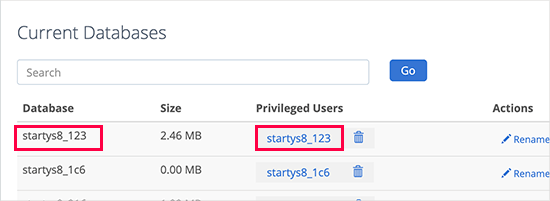
Customers are not entitled to have the required authorizations for the database; this can cause an error. Click on the blue link for the database under MySQL Manager Users > Database Gain Access to examine this. Then click on the Accessibility Management icon.

Permissions have to be readied to “All Permissions.”.

4. Repair The Database

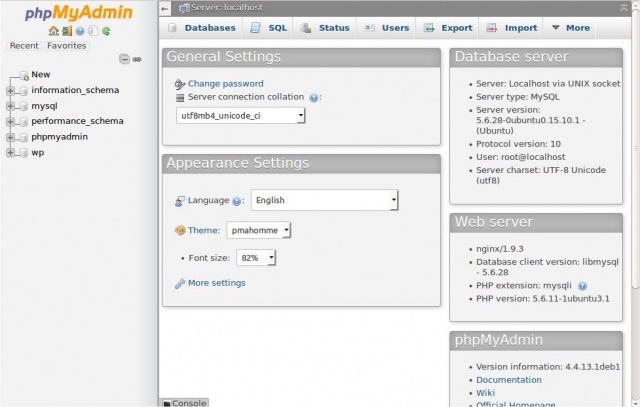
Although the file is most likely corrupt, it deserves attempting this first as minor database mistakes are simpler to repair and much less risky. There are several methods to fix a WordPress data source. First, choose PhpMyAdmin in your cPanel, click Go to Data Source, select All Tables, and click Repair work Tables in the drop-down menu.

The 2nd method uses WordPress’s built-in data source fixing setting, which can be made possible by adding the complying with a line to your Wp-config. PHP data.

Add specify(‘ WP_ALLOW_REPAIR’, real).

After that, browse this link.

https://yourdomain.com/wp-admin/maint/repair.php.

Select the ‘Deal with’ option and wait on WordPress to refine it. This might take a while. However, it ought to solve one of the most typical database corruption issues. Then remove the line of code you included in Wp-config. PHP. Anybody can access the data source repair service link, so make sure a harmful visitor does not activate it.

5. How To Execute Caching On Your WordPress Site?

5 Best WordPress Caching Plugins to Speed Up Your Website (2022)

Typical reasons for database connection errors.

Inaccurate data source credentials. The most typical root cause of incorrectly established database links is incorrect WordPress database credentials. This can be a database name, username, or password. Remember that these qualifications vary from the credentials used to access the website.

The WordPress MySQL data source consists of a large quantity of information. If any part of it is removed or corrupted, this can cause mistakes. The data source can be corrupted if hands-on intervention is made to it, yet it can also be corrupted during everyday use. MySQL is mighty, but absolutely nothing is best, and errors can happen.

WordPress core documents are corrupted. Likewise, the core WordPress submits that compose an internet site can be damaged. These files are outside the database, yet the same mistakes can occur.

Troubles with the webserver or holding carrier. This Mistake happens when there is a problem with the host or web server, and WordPress can not query the data source. These issues consist of power failures, data loss, and equipment failings.

Although we have already specified that one of the most typical sources of the Mistake is incorrect qualifications, it can likewise be brought on by one of the complying with factors. For that reason, to solve the Mistake, you will certainly require to fix it.

6. Inspect The Database Host Info

Database Stock Photos, Royalty Free Database Images | Depositphotos

If you have inspected the database qualifications and dealt with the Error yet still obtain a mistake connecting to the database, you need to check the database host info next off.

You can find the data source hostname in Wp-config. PHP under the data source name and qualifications.

Takedown these details, and after that, go back to the DreamHost panel and navigate to Even more > MySQL Data source. The hostname in the Wp-config. PHP data should now be presented on this page. If it is disappointing, you will require to include it.

Click on the “Add New Hostname” button to add a hostname.” Enter the preferred hostname on the following web page and pick the right internet site domain from the drop-down listing.

When you have finished, click “Create this MySQL hostname currently”! It might take a couple of hours for the new hostname to appear in DNS, so stop briefly below. After a while, check that the site is working appropriately. If you are still getting database error messages, continue to the following step.

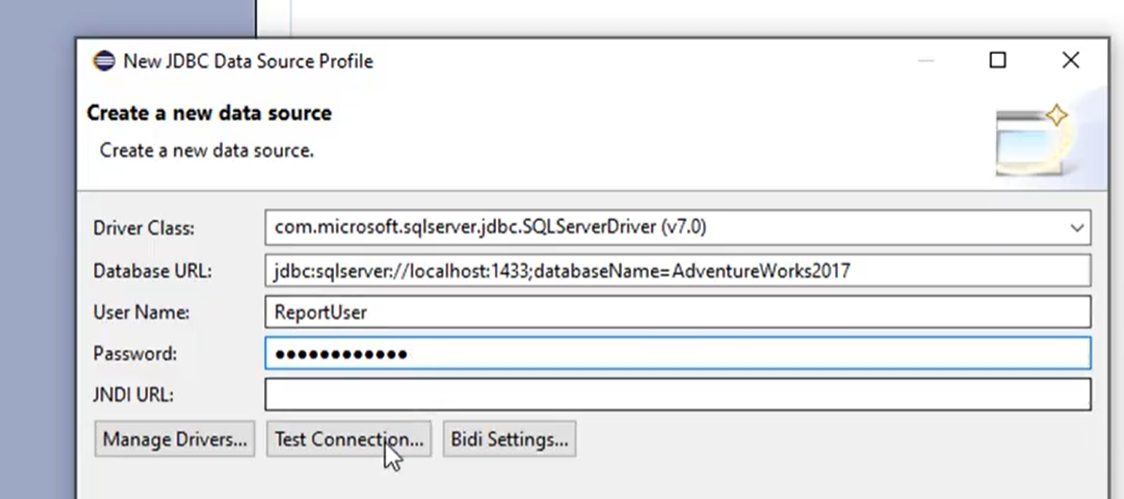
7. Create A Brand-New Database How to connect BIRT to Database — Decode Analytics

  • Level of problem. Scientific.
  • Problem.
  • Modest.

Approximated fixing time:15 -20 mins.

If all of the above techniques fall short, your data source might be corrupted entirely and no longer helpful. In this instance, you will need to develop a new MySQL database and a new user in the organizing control board.

After you create a brand-new MySQL database, restore a backup of your site to ensure that you will not lose any essential data.

  • hPanel

Users of hPanel can go to Data sources and click MySQL Databases. On top of the page, there is a tab for creating a new MySQL data source and also database customer.

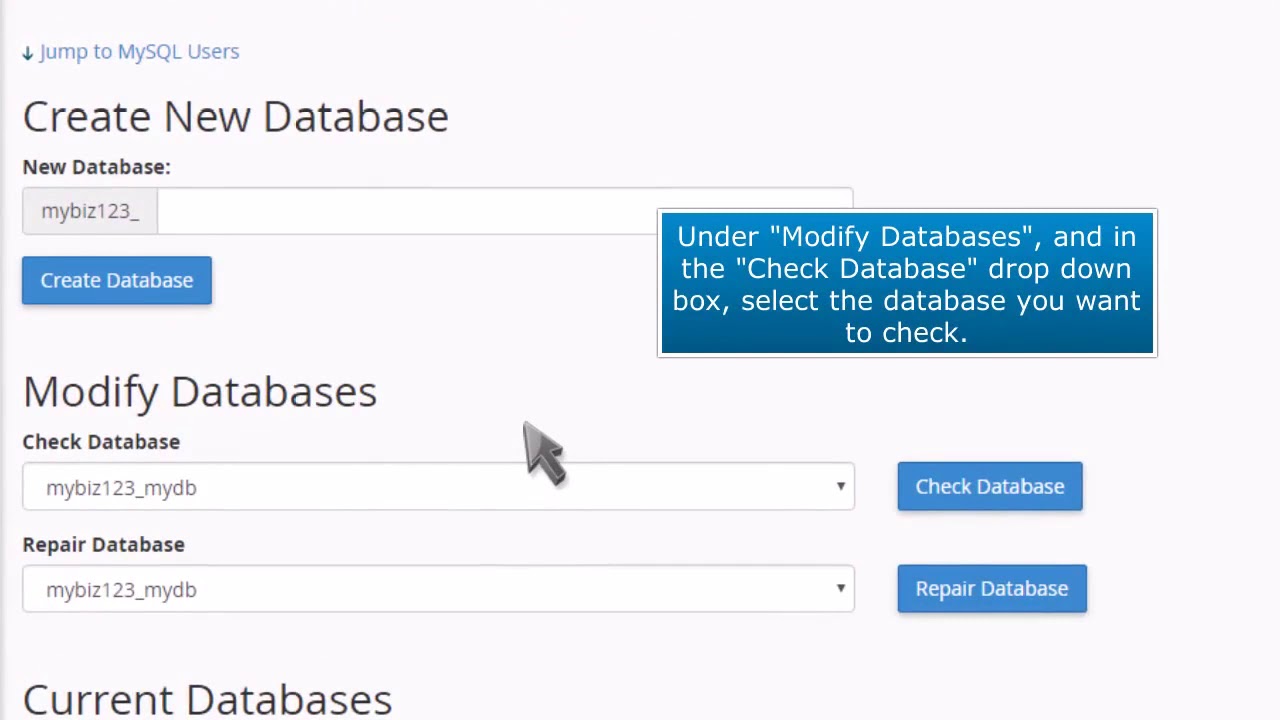
cPanel: How to Check a MySQL Database for Errors - YouTube

Enter your database name, username, and password and click the Create button. Bear in mind that the data source password has to consist of eight or more upper and reduced case personalities.

After you do this, the new data source will show up in the Existing MySQL Databases and the Users list. After that, you can manage the database and carry out numerous jobs, such as producing a backup.

  • cPanel

In the cPanel control panel, go to Databases- > MySQL Databases. At the top of the page, you will see the Create New Data Source tab. Get in the name of the brand-new data source and click Create Data source.

The system will, after that, include the brand-new data source to the checklist of existing data sources.

You can also develop a brand-new MySQL user and designate it to the brand-new database in the same home window. Relying on their privileges, individuals can do various tasks, from producing new tables to updating rows.

Enter your brand-new database username and password on the MySQL Customer tab and click Create Customer.

Once you develop a brand-new individual, scroll down to add that Individual to the brand-new database.

Backing Up Your Online WordPress Site - Some Resources - Tom Wade MD

On the Modify Data Source tab, you’ll see two choices for checking or fixing the database. To repair a damaged data source, pick the Repair service Database choice.

Wait for the procedure to complete, and after that, see the WordPress website to see if the “Error connecting to database” message still shows up.

Another alternative is to deal with the database tables in phpMyAdmin. To do this, go to Databases- > phpMyAdmin, click on the name of your database and check all the tables.

  • Click on the adjacent drop-down menu next to the ‘Examine All’ switch. And select Restore Tables.
  • It will be caused to run and repair all the damaged tables. Statement REPAIR_TABLE.

My Web Maintenance

logo

Naturally, this Error is trouble for WordPress website proprietors, but we have described some quick fixes. And if that doesn’t solve your internet site issue or you need experienced aid, we’re constantly below to help.

To contact us, click on this link

  • WordPress Malware Redirect Hack.
  • How to take care of a backdoor in a compromised WordPress website?
  • How to repair the “This account is locked” Mistake in WordPress internet sites.
  • The most effective WordPress security plugins for 2022.
  • Analyzing errors. WordPress phrase structure mistakes are arbitrary.
  • WordPress hacked – How to secure your internet site in 2022 [guide]
  • 26 Best WordPress Plugins: Maximize your website speed.
  • How to eliminate pharma hacking from your WordPress site?

For more help and information please visit My Web Maintenance

Quick tips to fix the error establishing a database connection on your WordPress site Read More »

Web Efficiency Monitoring – Definition, Tips, and Top Web Monitoring Tools

Today, many businesses have a significant digital footprint, and some rely heavily on their web applications to deliver value to their customers and generate revenue. In this competitive digital environment, it’s not enough to make sure your website is available 24/7. It would be best to optimize your websites regularly to provide a better experience. Slow pages or pages that are not optimized for mobile devices can increase bounce rates and impact your search engine rankings. This article will teach you how to monitor your website’s performance and speed up with the best web performance monitoring methods and tools.

WHAT IS WEB PERFORMANCE MONITORING?

Web performance monitoring refers to practices and tools that allow you to monitor your web application based on various metrics and technical parameters that affect page load speed and customer experience. Most web performance analyzers assist you in checking website status or uptime and track critical indicators such as page size, time to the first byte, broken links, database performance, CPU usage, etc. By regularly monitoring your web applications, you can identify lingering, hidden or cyclical issues and better prepare for unexpected spikes.

Web performance monitoring devices can also help you improve your web pages’ “perceived performance,” making them appear to load faster than they are. “Lazy loading” (the gradual loading of images or other elements as the user scrolls down a page, rather than loading the entire page at once), used on modern, image-heavy websites, is an excellent example of optimizing perceived performance. Modern web performance monitors also assist you in tracking user experience or UX-related cues, such as page load spinners, click and hover interactions, animations, scrolling, etc.

HOW FAST SHOULD YOUR WEBSITE LOAD?

When it comes to page load speed, several reports and guides, including this one from Google, recommend optimizing pages for mobile devices as a high priority. According to Backlinko, which gives one of the most up-to-date statistics, the average loading time of a website on mobile is 87% higher than on desktop. It also states that.

The average loading speed (fully loaded) of a web page is 10.3 seconds on desktop and 27.3 seconds on mobile.”

The other essential signs measured by Backlinko are as follows:

  • TTFB (Time to First Byte): 1.2 secs (desktop computer) and also 2.594 seconds (mobile).
  • Rate Index: 4.782 seconds (desktop) and 11.455 seconds (mobile).

It should be noted that the overall size of the page has a significant impact on the loading speed. It would be best to consider compressing images and text to reduce the page size using Gzip.

THE MAIN FACTORS AFFECTING WEB PERFORMANCE

Server performance

The performance of a web server directly affects the performance of your website. Whenever a browser pings your server, it asks the server to load or transmit data to your website. If your server is unhealthy, it will take longer to process these requests. In many cases, your hosting provider is responsible for server maintenance. If your website uses shared hosting and regularly struggles with resource issues, you should consider switching ISPs or choosing a higher plan with more CPU, RAM, and storage space. If you host your website yourself, you can check out this guide to web server monitoring.

Server location

Businesses spread across multiple locations need to ensure that their website performance remains consistent. However, if your site is hosted in one region (e.g., California) but receives traffic from other regions (e.g., Europe), the user experience will differ. In other words, the same page may load faster in the US than in Europe. You can consider implementing a CDN (content delivery network) in such cases. A CDN is a network of added server nodes distributed worldwide to provide faster response times and lower latency. These nodes typically cache static content from your website, including CSS and Javascript files, images, and other components.

Site size

The widespread availability of high-speed broadband and 4G mobile networks has enabled businesses to provide a better experience for their customers with rich multimedia content. Most customer-facing websites today contain high-resolution images.

As a result, the standard physical size of web pages has also risen. However, the increasing weight of pages can take longer to load. All images and components must be optimized or compressed wherever possible to ensure that your web pages load faster. Besides compression, there are other techniques to optimize page size. For example, you can use any streaming service instead of hosting video content on your servers.

Scripting or code-related issues

As websites develop, code density and complexity also increase. Every primary website is built with thousands of CSS, HTML, and JavaScript code lines. Often, multiple scripts are executed in parallel. In such situations, unexpectedly large numbers of web server calls can lead to increased latency. In addition, multiple threads accessing the same shared code or files can lead to “race conditions” that can leave a website vulnerable to security threats.

If the third-party service is down or more heavily loaded, processing your site’s requests will take longer. In many cases, third-party scripts can also affect your site’s performance because calling a remote server to run or load a script takes extra time. By following application development best practices (e.g., minifying JavaScript, CSS, and HTML files, browser caching, etc.) and ensuring that all scripts are appropriately optimized for speed and security, you can avoid such issues.

Faulty CMS plugins

One of the advantages of using content management systems (CMS) is that they offer numerous plugins that keep your development teams from reinventing the wheel. While these plugins save a lot of coding time and effort, they can also introduce performance and integration issues. Plugins developed with older technologies or inefficient database queries can lead to higher load times. In addition, free plugins are rarely updated and may have unpatched security vulnerabilities. Development groups should consider limiting the use of plugins as much as possible.

WHAT MAKES MONITORING WEB PERFORMANCE DIFFICULT?


Complex web architectures

It means that modern application architectures are significantly different from earlier times. Most enterprises are reshaping their traditional LAMP and MEAN stacks to leverage microservices and containers. These applications require analysis of a large amount of data from multiple sources for troubleshooting. Traditional web monitoring tools for availability and performance are not equipped to handle this complexity.

Lack of proactivity

Another major challenge most organizations face is that their teams often become accustomed to traditional processes and tools that provide a reactive method for web performance management. In other words, teams are prepared to respond to a problem but lack the tools and strategy to predict and prevent such problems from occurring.

Lack of intelligent alerting

Alerting fatigue” is no stranger to IT administrators in large enterprises. Most traditional tools require a lot of time and effort to define baselines or understand how their site behaves in different situations. Even when alerts are configured accurately, problems can often go undetected because they fall below certain thresholds.

5 BEST PRACTICES FOR MONITORING WEB PERFORMANCE

  • Monitoring website uptime statistics
  • Monitoring errors
  • Monitoring key transactions
  • Monitoring application dependency
  • Monitoring metrics using the RED method

1. Monitoring website uptime statistics

Best Website Monitoring Services You Should Consider Using

One of the first things you require to check is whether or not your website is online and available to your users. One way to check the website status is to use an HTTP ping monitor that pings your website in specific periods. As long as you get the 200 response code, you can ensure that the website is available. You can also analyze the ping response times to detect any problems or spikes.


2. Error monitoring

67 Error Page Binary Stock Photos, Pictures & Royalty-Free Images - iStock

Whenever your application encounters problems, it generates errors. here are five categories of HTTP error codes (identified by the first digit of the code):

  • 1xx: Informative
  • 2xx: Success
  • 3xx: Redirection
  • 4xx: Client error
  • 5xx: Server error

HTTP error 500, one of the most common errors, indicates that a web server has internal problems that cause errors when processing requests. It doesn’t say much, but if the error code keeps appearing, you should look at troubleshooting.

3. Monitoring key transactions

Specific web requests or transactions can be critical to your business operations. These requests vary depending on the type of web application. For example, an e-commerce application is significantly different from a banking application. Accordingly, the services, APIs, and plugins used for these transactions are also different. You require to identify these critical transactions and monitor them effectively.

You can monitor genuine user transactions with statistics showing the percentage of successful transactions and the time to complete them. If you see a sudden drop in the success rate, you can conclude that there may be a problem. Error logs let you determine the exact nature of the error. You can also monitor transactions synthetically by using servers to simulate real-world conditions. This approach is helpful for proactive planning and problem resolution.

4. Monitor application dependency

Computer Application Vector Art, Icons, and Graphics for Free Download

As organizations introduce more and more new features for their web applications, monitoring their performance in the live environment is essential. Application dependency issues often arise when applications are moved from the production and test environment to the production environment. Modern tools that support “distributed tracing” can help you identify the root cause of such issues in a microservices environment.

5. Monitoring metrics using the RED method

The RED Method: key metrics for microservices architecture

Several tools provide out-of-the-box web performance metrics. In addition, teams add their metrics. In principle, all these metrics must help them overview the entire environment by providing an aggregated view of their environment. However, this technique can also lead to information overload. They need to shortlist some critical metrics to assess the usability and health of the application quickly.

RED Metrics is a widely accepted technique for monitoring the three most crucial web performance metrics:

  • Rate – requests offered by the application per second.
  • Errors – the percentage of requests in which an error occurs
  • Duration – time is taken to complete a request.

You may still require additional metrics from databases, external APIs, and other deeper analysis and troubleshooting sources. Nevertheless, if your application is running well, you don’t need to monitor all of these metrics all the time.

THE 8 BEST TOOLS FOR MONITORING WEB PERFORMANCE

  • GTmetrix
  • WebPageTest
  • SolarWinds Pingdom
  • PageSpeed Insights
  • Uptrends
  • Dotcom Monitoring
  • Site24x7
  • Uptime Robot

1. GTmetrix

GTmetrix is among the most popular commercial devices for monitoring website performance. It provides a wide range of features for detailed testing and analysis of a web application.

You can get a free performance report for your website to quickly assess how GTmetrix can help you measure your web performance. As you can see in the screenshot above, key indicators such as PageSpeed scores (Google), YSlow scores (Yahoo), full load time, and total page size are displayed upfront. These scores are calculated based on more than 25 servers in seven regions worldwide, which can help you better assess the user experience in the target regions.

You can also obtain a detailed and in-depth overview of resource usage and monitor metrics like TTFB, First Paint, RUM (Real User Monitoring) Speed Index, etc., with various charts and visualizations. Another exciting feature is the page loading video, which can help you accurately identify problems from the user’s point of view. The only downside of this tool is that it can be a bit daunting for first-time users, as it is not easy to identify the most critical parameters for monitoring a website’s performance.

2. WebPageTest

If you are searching for a free tool to measure website performance, you can try WebPageTest. Since it is an open-source tool, it is one of the most customizable web monitoring tools. Although it is a free tool, it offers options to select different browsers and server locations to get detailed insights into the user experience.

The tool takes a bit more time to run tests, but it provides you with enough options to identify issues that affect your website’s speed accurately. It also provides waterfall charts that allow you to monitor the time taken for each request in a visual way. A simple rule of thumb for analyzing waterfall charts is to check their width; a more comprehensive chart indicates a slower loading website. Moreover, you can also create custom metrics according to your monitoring needs.

3. SolarWinds Pingdom

SolarWinds® Pingdom® is another powerful tool that provides a much simpler yet practical and faster evaluation of your website. It monitors website uptime statistics, page speed, transactions, and actual users (RUM) with servers in more than 100 locations worldwide. The tool also supports synthetic monitoring. With Pingdom Website Speed Test, you can perform a free website test.

It will give you a quick summary of the test results with recommendations on improving page performance. You also get a tabular summary of response codes, content size by content type/domain, and content type/domain requests. You can also examine file requests by load, order, wait, DNS, status code, and other options.

Pingdom’s main advantages are its intuitive user interface, making it easy for new users to get the most out of the tool. It’s easy to set up email/SMS notifications with Pingdom, and it also integrates seamlessly with notification services like Slack and Pagerduty. You can also install the Pingdom mobile app, which connects to the uptime monitoring service and helps you monitor your site’s uptime on the go. 


4. PageSpeed Insights

PageSpeed Insights from Google can be an effective tool for monitoring your website’s performance. However, teams mostly prefer it focusing on search engine optimization (SEO). When you run a test, you’ll get a concise summary of various parameters with options to drill into the topics that interest you.

You can examine various on-page and back-end elements of your web application and check how they affect loading speed and response times. The tool helps you monitor the quality of various primary components and provides recommendations on how to optimize different elements. The tool is ideal for tech-savvy marketing teams and even helps developers get familiar with Google’s web guidelines and recommendations.

5. Uptrends

Uptrends is a developed player in the web monitoring space. It offers a very intuitive dashboard to track various load times, errors, metrics, and waterfall graphs. You can run tests with multiple browsers from more than 200 sites worldwide.

The tool also lets you test website performance on mobile devices. The bandwidth throttling feature simulates slower mobile networks (2G, 3G, etc.) to test how your website performs under such conditions. However, to monitor transactions and APIs and enable multi-browser testing, you need to sign up for a Business or Enterprise subscription. Accurate user monitoring is also limited until you subscribe to more expensive plans.

6. Dotcom monitor

Dotcom-Monitor offers comprehensive web performance monitoring features, including availability tests, transaction monitoring, performance metrics, alerts, event logs, and mail server monitoring. These features can help you get a detailed insight into each user’s web journey and ensure a better experience with continuous optimizations.

Like other advanced commercial devices, it also offers waterfall graphs and video playbacks to monitor different loading times and browsing patterns. The tool also provides a wide range of integrations to help you get the most out of your existing operational setup. A significant highlight of the product is the historical trend analysis and reporting feature, which permits you to predict future performance results based on key metrics.

7. Site24x7

Site24x7 is another effective website performance monitoring solution that offers famous and advanced features such as website defacement monitoring, SOAP web services, REST APIs, etc. With this service, you can obtain a detailed view of website uptime statistics and the performance of your web applications using test servers spread across more than 90 locations worldwide.

You can also track essential performance metrics with user-friendly dashboards and receive timely alerts to respond to and troubleshoot issues in real-time quickly. While the solution is suitable for end-to-end monitoring, the initial setup can be challenging, and fine-tuning alerts and notifications requires significant effort.

8. Uptime Robot

Uptime Robot is a simple website status checking tool. With the paid version of this device, you can automatically ping your website every minute to check the status of your website. If you receive a 200 response code, your website is available. In case of an error code, the tool performs several checks and finally triggers an alert.

You can get these alerts via SMS, email, or other services like Slack, Telegram, etc. Unlike other devices mentioned in this article, it does not offer recommendations or other advanced options for troubleshooting web performance issues. However, the accessible version of this tool can be a perfect option for smaller organizations that need a simple tool to monitor website uptime.

This article explains that website performance can be affected by various factors, including numerous components such as images, CSS, JavaScript, underlying hardware, and network issues. Modern web monitoring tools can assist you in tracking various metrics and performance indicators to stay on top of your website’s performance. 

Enjoy the post? For more posts, please visit My Web Maintenance

Web Efficiency Monitoring – Definition, Tips, and Top Web Monitoring Tools Read More »

Website maintenance: everything you need to know to keep your site running smoothly

There is mostly a big sigh of relief once the website is completed and uploaded, but wait, do you think it is done forever? NO, just like you need to periodically maintain your car, body (including your skin), house, and website. Many people think that maintaining a website is mainly about fixing the bugs that appear after launching it, but actually, it encompasses a lot more than that. Updating the website’s visuals, integrating with new systems, and uploading fresh content are all part of maintaining the website. A website is the first impression of your business, and this needs to be in line with the constantly evolving environment around you to not fall behind in the competition.

We’ll discuss website maintenance, why web design firms and agencies need to offer it, what’s included in the list of website maintenance services, and how much it costs to maintain a website.

Let’s get started!

What is website maintenance?

Keep updating your website to remain secure, reliable, and fresh. Website maintenance is simply regularly monitoring your website for faults and ensuring that everything is fully updated and responsive. It helps improve your SEO and Google rankings which encourages traffic growth.

Website Maintenance Service / website care and support

You need to keep your website updated. Whether you’re a big company, an individual, or even a small business, you need to update your website. It allows you to interact and communicate online with targeted visitors on your site while avoiding serious issues like spamming.

  • Examine whether your website’s pages load rapidly and without any problems.
  • Create a backup of your website’s data to verify that it is safe.
  • Make sure your site’s software and plugins are up-to-date.
  • Examine all the forms to make sure they’re working correctly.
  • Delete spam comments from your website’s posts or pages.
  • Make sure there aren’t any broken links on the pages.
  • Investigate your website for 404 errors and resolve them.
  • Keep your blog updated to keep your audience interested and returning.
  • Maintain control over their web hosts and ensure that everything is running efficiently.

And this is only the weekly evaluation. Every month, maintenance involves:

  • Reviewing your website’s speed.
  • Conducting security checks and assessments.
  • Updating blogs that need to be revised.
  • Revising any content that needs to be updated.

You should also consider upgrading the appearance and functionality of your website.

Automating as many processes as possible is essential for maintaining a website. It involves reviewing your website’s backups and testing them on various browsers to ensure they run smoothly.

What is included in the Website Maintenance Services List?

We’ve already explained why website maintenance matters. Let’s look at the essential services part of the Website Maintenance Services List.

Here is the list you need to keep an eye on regarding website maintenance.

1. Scan for Vulnerabilities

Website security should be the primary reason why websites need to be maintained. Regularly scanning your website ensures that it isn’t hacked or taken over. Check for the spam messages that may have passed through your filters.

2. Repairs and Fixes

Check both internal and external links. A link checker can be run to look for broken links that frustrate the users and reduce the search engine rankings.

3. Browser Compatibility Testing

Ensure that all aspects of your site work well in the most commonly used browsers. You need to ensure your website works well for everyone.

4. Software Update

The critical software your site relies on should be updated. For example, CMSs, themes, and plugin systems. Also, upgrade non-critical software if they are worth applying.

5. Website Backups

Database backups would be automatically performed weekly and restored at least once a month.

6. Site Speed

This is a significant point to check. Use Yahoo’s YSlow or Google Pagespeed Insights to identify the issues slowing your site’s speed.

7. Search Engine Optimization (SEO)

With SEO, you identify the issues that affect your site’s ranking so that you can fix them.

8. Analytics

Check the crucial metrics of your website and the trends in those metrics using the Google Analytics dashboard.

9. Functionality

Ensure that you check all the essential functions, including filling out forms, contacting people, and checking out.

10. Website Content

Updating content on websites makes them fresh and up to date for users and search engines alike. So, regularly review your content, fix any mistakes, and upload the updated information with targeted words in an improved style.

Well, these are the basics of website maintenance services. Businesses may go deeper into their websites based on their websites, but they shouldn’t ignore them. It’s essential to nurture and maintain your website if you want to succeed online. Maintenance ensures the web page’s performance is at its peak. It removes errors, secures the web page against attacks, and delivers the best user experience to the customers.

Why is website maintenance necessary?

Potential customers are most often searching for relevant information, quality content, and expert advice at the same time. This is when website maintenance becomes crucial. Regular content revisions will keep your website engaging and maintain a high search engine ranking.

There are numerous other reasons to keep your website updated regularly, including:

Enhances User Satisfaction

View your website from the perspective of a visitor. If the loading speed is slow and there is broken content everywhere, you will get annoyed. However, you will be pleased if the website is well-maintained, with good web design and necessary details. Your top priority is to provide an excellent user experience. Visitors will be impressed with a well-designed website, encouraging their use of your products and services. If you suggest your brand to family members and friends, they become your brand promoters.

Improves Your SEO

Google prefers websites that are well optimized and provide the best value for their visitors. If your website’s redirection pages aren’t working, your company’S search engine ranking will suffer. If Google finds any issues on your website, you may be deindexed. Your website’s primary purpose is to attract visitors, so updating your site with relevant content, news, keywords, etc., can help keep you current.

Boosts Protection

Security is the most important thing when it comes to websites. Regularly updating your website with new features and security patches is essential for keeping your site safe and secure. Hackers may be interested in websites that haven’t been updated for a long time. If you fail to address security issues for a prolonged period, you may face downtime or even total business failure.

What does website maintenance cost?

Keeping your site consistent and working requires regular maintenance. There are many factors to consider when choosing a hosting web service, including website design, market­ing tactics, frequent software updates, and domain and storage costs.

Moreover, the platform and functionalities you select when creating a website impact its ongoing costs. The costs of using a website builder versus a content management system will be considerably different.

All domain name renewal fees, web hosting plan rates, and SSL license charges are included in website maintenance costs since they’re required to keep your website online. Next, there are the costs of email accounts, specialized tech­nical support, and eCommerce serv­ices, which vary depending on the kind of website you’re building.

Other costs such as web hosting, plugins, and search optimization (SEO) help improve the site’s operation and increase traffic. The amount of money spent on each category depends on the needs of your website, so you need to determine how much money you want to spend on each category. We’ll look at nine essential website maintenance costs to help you plan your website budget.

Before choosing a web maintenance plan:

  1. Make a list of your needs.
  2. Compare different service providers’ offers.
  3. Look at the estimated website maintenance costs for different types of websites.

The following are the critical website maintenance costs:

  • $10-$20 per year for a domain name.
  • SSL certificates are available for $0-$50 per month.
  • Web hosting services range from $2.75 to $15.00 per month.
  • Email hosting costs between $1 and $5 per month.
  • $0-$1,000 per month for technical support.
  • $0-$800/month for search engine optimization.
  • Updates to the content – $0 – $3,000 in total.
  • $0-$200/month for general updates.

You’re all prepared to keep up the excellent job with all these steps in mind!

Now that you know the average website maintenance cost, you can create an appropriate budget for website maintenance. The output is a list of sentences with paraphrasing. You should keep in mind that your costs may vary depending on the type of site that you’re running: an eCommerce site accepting payments on-site will require more SSL security, for example, than a personal blog. You may be able to get most of the services you need for free if you use a website builder. However, some basic fees will be included with your plan.

Website maintenance checklist:

Following an effective maintenance plan guarantees that your site continues serving as one of your most valuable marketing tools. We’ve created a checklist of actions to keep your website up to date and running smoothly for your visitors.

 Here’s a comprehensive list of website upkeep tasks to keep in mind:

1. Website Maintenance Checklist every week
  • Verify for 404 errors and, if any exist, correct them.
  • To enhance SEO traffic, publish one or more blogs.
  • Check to see that all of the forms are functioning correctly.
  • Create a blog article to promote in your community.
  • Look for any broken links.
  • Plugins and software that are vital to the system should be updated.
2. Website Maintenance Checklist every month
  • Perform a security audit.
  • Check loading speed and resolve any errors as soon as possible.
  • Analyze the most important statistics.
  • Ensure that your website is visible in local searches.
  • Make changes to the material to make it more relevant.
  • Analyze the most and most negligible prevalent content on the website.
3. Website Maintenance Checklist quarterly
  • Look for any areas where you can improve the content.
  • Graphics and images should be updated.
  • Meta descriptions and titles should be updated.
  • Keep track of your website’s backups.
  • Check if popups, forms, and other features are functioning correctly.
  • Examine your website on the most widely used browsers and devices.
  • Examine the uptime logs – if it’s less than 99.9%, take action.
  • Check to see if your site is mobile-friendly.
4. Website Maintenance Checklist every year
  • Consider updating your website’s design.
  • Revise the copyright information in the footer as well as any references.
  • Domain names should be renewed.
  • Examine the content for accuracy.
  • Your best-performing blogs should be updated.

Wrap Up

The web is constantly changing, and so are the standards used by social media platforms, web browsers, and other websites. You might have heard, for example, that SSL is becoming a requirement for websites and that not having it could harm how people perceive and find your website. SSL is a great security measure for your website. Still, it’s not easy to install, and the work can usually be compensated under a regular monthly maintenance contract if appropriately managed.

A great way to supplement your monthly revenue is to offer a website maintenance service. It will not only improve your sales but will also keep your current customers engaged. Eventually, this will aid in your growth. It may require some initial investment, but you’ll be successful before you know it as long as you’ve got the larger picture in mind.

We hope that this article has helped you see how important it is to include website maintenance services as part of your website design process and to keep your website healthy in the long run.

Contact mywebmaintenance.com if you need a new website or want to upgrade your present one. Aside from website design and construction, we can also assist you with custom web development services, and even more.

We Fix, Host, & Maintain WordPress Websites

At mywebmaintenance.com we provide instant WordPress technical support. We also provide bespoke web hosting & expert management for thousands of WordPress websites. Use us for quick one-time fixes, or partner with us for ongoing WordPress website maintenance.

Follow us on instagram or Facebook to find out where we are next.

Website maintenance: everything you need to know to keep your site running smoothly Read More »